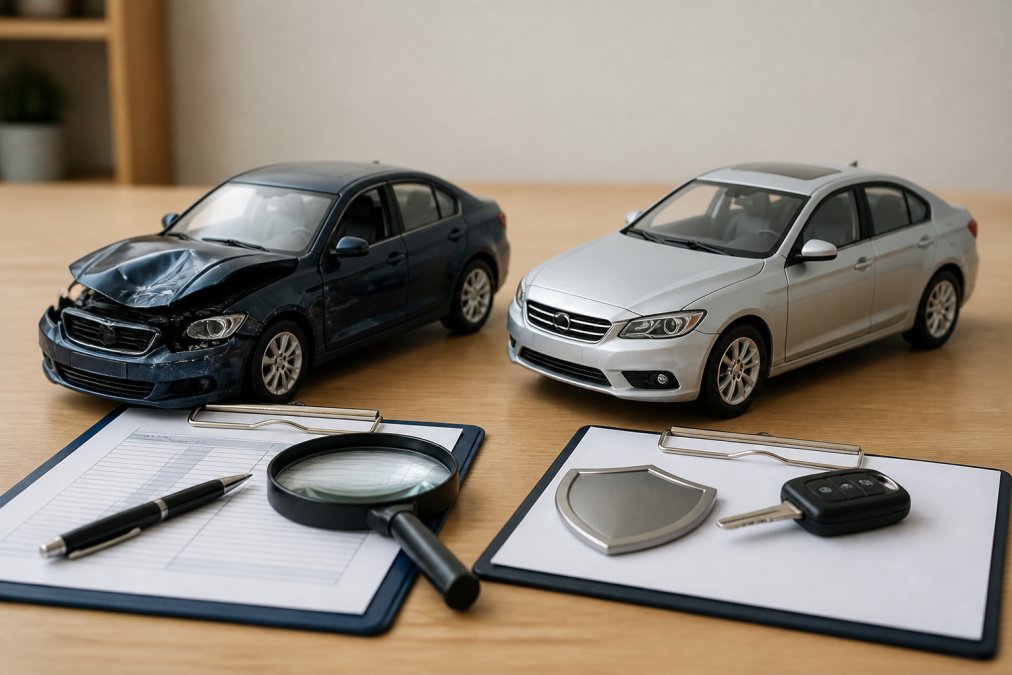
 comparison
Liability vs Comprehensive Coverage for Cars: 2026 Guide
Table of Contents
- Liability vs Comprehensive Coverage: The Core Difference
- What Does Full Coverage Include?
- Liability Insurance Requirements by State
- Is Comprehensive Insurance Worth It for Older Cars?
- Side-by-Side Comparison: Coverage, Cost, and Claims
- Which Coverage Fits Your Situation?
- Frequently Asked Questions
Last Updated: September 16, 2026
Liability vs Comprehensive Coverage: The Core Difference
The core difference between liability vs comprehensive coverage for cars comes down to who and what gets protected: liability pays for damage you cause to others, while comprehensive pays for damage to your own vehicle from events outside your control. One is legally required in nearly every state. The other is optional, and that choice is where most drivers leave money on the table.
Liability coverage is the portion of an auto policy that pays for bodily injury or property damage you cause to someone else. It never repairs your own car, no matter how the accident happened. Comprehensive coverage is the portion that pays to repair or replace your own vehicle after theft, fire, hail, flooding, vandalism, or an animal strike.
This guide from Osime Insurance Agency, Inc walks through what full coverage actually includes, how state requirements work, and when comprehensive coverage is worth the premium. Below, we break down the scenarios where each type earns its keep, so you can make the call with clear numbers instead of guesswork.

What Does Full Coverage Include?
Full coverage is not a legal term and no state requires it. It is an industry shorthand for a policy that stacks liability coverage on top of collision and comprehensive protection, and it exists only because lenders and lessors demand it.
That distinction matters more than most drivers realize. When a salesperson says "full coverage," they mean three separate coverages bundled together, each with its own deductible and its own limits. Drop one and you no longer have what your lender asked for.
The Three Parts of a Full Coverage Policy
- Liability coverage: Pays for the other driver's injuries and property damage when you are at fault. Split into bodily injury and property damage limits.
- Collision coverage: Pays to repair or replace your car after a crash with another vehicle or object, regardless of fault.
- Comprehensive coverage: Pays for non-collision damage such as theft, fire, hail, flooding, vandalism, falling objects, and animal strikes.
The [National Association of Insurance Commissioners guide to auto insurance(/how-to-appeal-a-denied-auto-insurance-claim) | naic.org] outlines how these coverages interact and why each carries separate limits. A common mistake is assuming full coverage means "everything is covered." It does not. Towing, rental reimbursement, and gap coverage are usually separate add-ons.
Liability Insurance Requirements by State
Nearly every state requires drivers to carry a minimum level of liability insurance, and driving without it carries real consequences: fines, license suspension, and personal financial exposure if you cause a crash.
Minimum limits vary widely. Some states require only a few thousand dollars in property damage protection, while others mandate substantially higher bodily injury limits. The Insurance Information Institute's state-by-state auto insurance requirements maintains a current breakdown, and your state's department of insurance publishes the exact figures that apply where you live.
Comprehensive coverage is not part of any state minimum. That is a lender requirement, not a legal one.
At-Fault vs No-Fault States
In at-fault states, the driver who caused the crash (or their insurer) pays for the other party's damages. Liability coverage does the heavy lifting here, and the injured party can pursue a claim against the at-fault driver.
In no-fault states, each driver's own insurer pays their medical bills up to a threshold, regardless of who caused the crash. Personal injury protection, not liability, usually handles those costs. The Insurance Information Institute's no-fault state overview explains which states follow each system.
| System | Who Pays After a Crash | Liability's Role |
|---|---|---|
| At-fault | Driver who caused the crash | Primary coverage for the other party |
| No-fault | Each driver's own insurer | Limited; PIP handles most medical costs |
Is Comprehensive Insurance Worth It for Older Cars?
Comprehensive coverage is usually worth keeping on an older car only when the annual premium stays well below the vehicle's actual cash value and you could not comfortably replace the car out of pocket. Once the premium approaches a meaningful share of what the car is worth, dropping it often makes sense.
Here is a framework to consider:
- Calculate actual cash value. Look up your car's private-party value, not the dealer trade-in figure.
- Compare to your annual comprehensive premium plus deductible. If the premium plus deductible approaches or exceeds the car's value, the math rarely works.
- Factor in your emergency fund. If a total loss would leave you without transportation and without savings to replace it, keep the coverage even on an older vehicle.
- Consider your lender or lessor. If you still owe on the car, you likely have no choice.
Side-by-Side Comparison: Coverage, Cost, and Claims
The table below summarizes the practical differences. Cost figures depend on your vehicle, driving record, location, and deductible, so treat pricing as a quote question rather than a fixed number.
| Feature | Liability Coverage | Comprehensive Coverage |
|---|---|---|
| What it protects | Other people and their property | Your own vehicle |
| Required by law | Yes, in nearly every state | No; required by lenders |
| Typical triggers | At-fault accidents | Theft, fire, hail, flood, vandalism, animals |
| Deductible | None | Applies per claim |
| Claim payout | Other party's damages | Your vehicle's actual cash value |
| Best for | Every driver | Financed cars, newer vehicles, high-theft areas |
When you file a comprehensive claim, your insurer pays your vehicle's actual cash value minus your deductible. When you file a liability claim, your insurer pays the other party up to your policy limits, with no deductible on your side. That asymmetry is why the two coverages feel so different at claim time.
Which Coverage Fits Your Situation?
Match the coverage to the car and the financial cushion behind it, not to a generic recommendation.
- Leasing or financing a car: You need full coverage. The lender or lessor requires collision and comprehensive, and liability alone will not satisfy the contract.
- Own a newer car outright: Comprehensive coverage usually earns its premium. Replacing a late-model vehicle out of pocket is a significant hit.
- Own an older car with low value: Run the math. If the premium plus deductible rivals the car's worth, liability-only may be the better financial call.
- Live in a high-theft or severe-weather area: Comprehensive coverage protects against risks liability never touches, including hail, flooding, and theft.
- Have a thin emergency fund: Keep comprehensive coverage even on an older car. The alternative is going without transportation after a loss.
Most drivers end up needing both, which is why the question is rarely either-or. It is about how much protection your situation actually requires.
Choosing between liability and comprehensive coverage for cars comes down to one honest question: could you replace your vehicle tomorrow without financial strain? If the answer is no, comprehensive coverage belongs in your policy. Osime Insurance Agency, Inc offers affordable, tailored insurance solutions across home, auto, commercial, and life sectors, empowering individuals and businesses to secure their future with confidence. Our experienced specialists provide personalized service, ensuring every client feels informed and supported while benefiting from coverage options designed to meet their unique needs. We stand out through our unwavering commitment to honesty, integrity, and exceptional customer service, fostering long-lasting relationships built on trust and transparency. Get your free quote from Osime Insurance Agency, Inc and find out exactly what your situation requires.
Frequently Asked Questions
Is comprehensive coverage the same as full coverage?
No. Full coverage is an informal term that bundles comprehensive coverage with collision and liability. Comprehensive alone pays for theft, fire, vandalism, weather, and animal strikes. Collision handles damage from hitting another car or object. Liability covers injuries and property damage you cause to others. Most lenders require full coverage on financed or leased vehicles, but state law only mandates liability.
Do I need comprehensive coverage if I have liability?
Liability is legally required in nearly every state, but it pays nothing toward your own vehicle. If your car is financed or leased, the lender will require comprehensive coverage. If you own the car outright and its value is low, you can legally skip it. Adding comprehensive coverage makes sense when repair or replacement costs would strain your budget.
When should you drop comprehensive coverage on an older car?
A common rule is to drop it when your annual premium plus deductible approaches the car's market value. Get your vehicle's actual cash value from a source like Kelley Blue Book, then compare it to what you pay yearly. If the car is worth a few thousand dollars and repairs would total it, the payout after your deductible may not justify the cost.
Does comprehensive insurance cover accidents with other cars?
No. Damage from hitting another vehicle falls under collision coverage, not comprehensive. Comprehensive coverage applies to non-collision events: theft, hail, flooding, fire, vandalism, falling objects, and animal strikes. If another driver hits you and is at fault, their liability coverage typically pays for your repairs. If you are at fault, your collision coverage responds.
Is liability insurance mandatory in all states?
Almost. Every state except New Hampshire requires some form of liability coverage or proof of financial responsibility. Minimum limits vary widely. Some states, such as California, require only 15/30/5, while others like Alaska require 50/100/25. Because repair costs often exceed minimum limits, many drivers buy higher limits than their state requires.