 listicle
Affordable Home Insurance for High-Risk Areas
Table of Contents
- What Makes a Home High-Risk for Insurance
- Affordable Home Insurance for High-Risk Areas: Your Main Options
- How to Lower Home Insurance Premiums in High-Risk Zones
- Comparing Quotes and Coverage for High-Risk Properties
- When Coverage Is Denied: Surplus Lines and Alternative Solutions
- Frequently Asked Questions
Last Updated: September 19, 2026
What Makes a Home High-Risk for Insurance
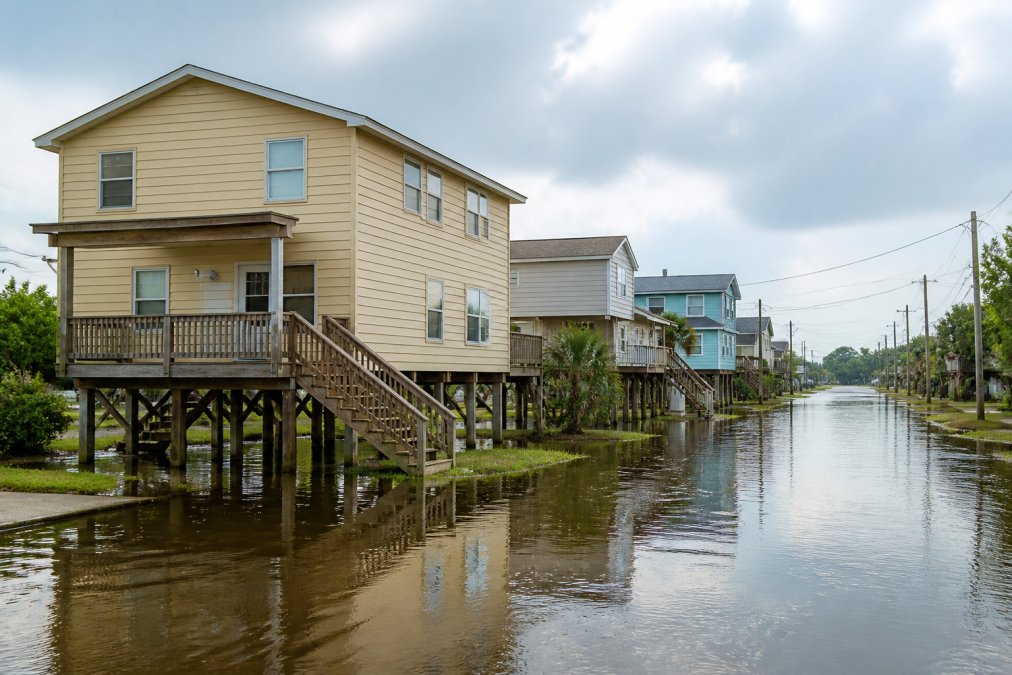
A home becomes high-risk for insurance when it faces elevated exposure to natural disasters, structural vulnerabilities, or location-based hazards. Insurance companies assess risk through wildfire proximity, flood zone designation, age of construction, roof condition, and claims history.
The assessment process determines not just whether you'll be insured, but how much you'll pay. A home built in 1960 with an aging roof in a high-wind area will face steeper premiums than a newly constructed property with impact-resistant materials in the same zip code.
Understanding what makes your home high-risk is the first step toward finding affordable home insurance high-risk coverage. At Osime Insurance Agency, Inc, we help homeowners recognize these risk factors and explore solutions.
Affordable Home Insurance for High-Risk Areas: Your Main Options
Finding affordable home insurance for high-risk areas means knowing which carriers specialize in your situation and which programs exist specifically for properties that standard insurers decline. Your options fall into three main categories: standard carriers with high-risk programs, specialized insurers focused on non-standard properties, and state-backed alternatives when the private market won't cover you.
Standard Carriers with High-Risk Programs
Major national insurers maintain high-risk divisions for homeowners who don't fit standard underwriting criteria.
Specialized High-Risk Insurers
Some specialized insurers focus on non-standard and high-risk property insurance for homeowners declined by standard carriers. Their expertise in unique home situations and willingness to insure properties others reject makes them valuable when options narrow.
FAIR Plan Insurance Alternatives
When private insurers won't cover your property, state-backed FAIR (Fair Access to Insurance Requirements) plans provide coverage of last resort in every state. The trade-off: FAIR plans cost more and provide narrower coverage than standard policies.
FAIR plans cover dwelling protection and some liability, but exclude loss of use, personal property, and additional living expenses. Think of FAIR as catastrophic protection, not comprehensive coverage.
Some states offer alternatives to traditional FAIR plans. Surplus lines insurance from non-admitted carriers can sometimes provide better terms for high-risk properties, though they're harder to find and require specialized brokers.
| Coverage Type | Standard Market | FAIR Plan | Surplus Lines |
|---|---|---|---|
| Dwelling Protection | Yes | Yes | Yes |
| Personal Property | Yes | Limited/No | Yes |
| Loss of Use | Yes | No | Often Yes |
| Liability Coverage | Yes | Limited | Yes |
| Premium Cost | Lower | Higher | Variable |
| Availability | Selective | Always | Limited |
How to Lower Home Insurance Premiums in High-Risk Zones
Premiums in high-risk areas aren't fixed. Strategic mitigation reduces your risk profile and signals to insurers that you've taken protective steps. The most effective approach combines physical improvements with documented certification.
Home Hardening Certification and Premium Discounts
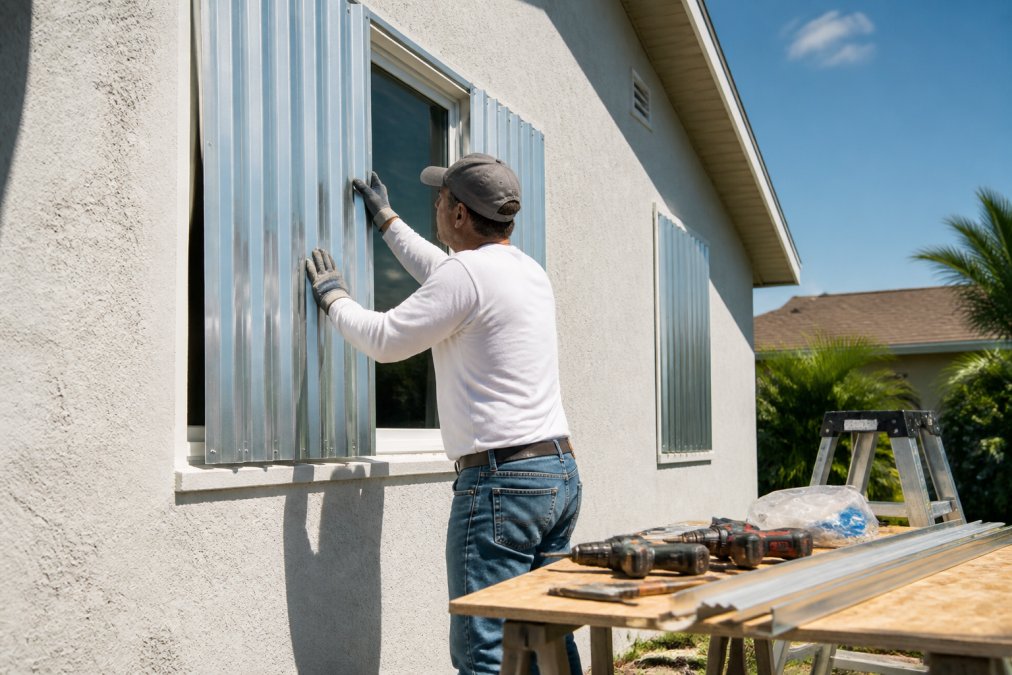
Home hardening directly lowers premiums, but only when improvements are verified and documented. Insurance carriers require proof that upgrades meet recognized standards, making certification programs critical.
The Institute for Business and Home Safety (IBHS) administers the FORTIFIED Home certification program, evaluating homes against wind and hail resistance standards. FORTIFIED Gold certification demonstrates that roof-to-wall connections, roof deck attachment, gable end bracing, and opening protection meet rigorous standards. Insurers typically offer premium discounts of 10% to 25%.
To pursue FORTIFIED certification, you work with a FORTIFIED Evaluator who assesses your home, identifies needed improvements, and inspects completed work. This third-party verification triggers insurer discounts by proving work meets standards.
In wildfire-prone areas, the Firewise USA program certifies properties meeting defensible space and structural hardening standards. While not all insurers offer discounts, some regional carriers offer 5-10% reductions, and Firewise certification demonstrates proactive risk management to underwriters.
Roof Condition and Material Upgrades
Roof condition drives premiums dramatically in high-risk areas. Upgrading to impact-resistant materials, Class 4 asphalt shingles, metal roofing, or tile, can lower your premium by 20% or more.
Defensible Space and Vegetation Management
In wildfire zones, defensible space, clearing vegetation and debris from around your home, reduces fire risk and often qualifies for 5-10% discounts. The concept extends across three zones: immediate (0-5 feet), intermediate (5-30 feet), and extended (30-100+ feet), each with specific clearing requirements like removing dead trees, trimming branches, and clearing gutters.
Underwriting and Risk Assessment Strategies
Your claims history shapes your premium significantly. A single claim can increase rates for three to five years. Review your claims history through the Comprehensive Loss Underwriting Exchange (CLUE) report from LexisNexis; dispute any incorrect entries immediately.
Comparing Quotes and Coverage for High-Risk Properties
Getting multiple quotes is essential when shopping for affordable home insurance high-risk coverage. Different insurers weight risk factors differently; what one company charges $2,000 annually, another might quote at $1,400.
When Coverage Is Denied: Surplus Lines and Alternative Solutions
When standard carriers and FAIR plans won't cover you, surplus lines insurance provides an alternative. Understanding how the surplus lines market works and its differences from standard insurance is critical.
Understanding Surplus Lines Insurance
Surplus lines insurance, also called non-admitted insurance, comes from carriers that don't hold a license to operate under standard state regulations. These carriers operate outside the admitted market and aren't subject to the same state oversight, rate approval, or guarantee funds.
How Surplus Lines Pricing Works
Surplus lines premiums are not regulated by state insurance commissioners. Carriers set rates based on their own risk assessment. Pricing can vary dramatically between carriers, but if you present a compelling mitigation story, recent roof replacement, new hardening improvements, or documented defensible space, a surplus lines carrier may offer better terms than the admitted market.
Finding and Vetting Surplus Lines Brokers
Not all insurance agents can place surplus lines business. Your agent must hold a surplus lines license issued by your state's insurance commissioner to access the surplus lines market and bind coverage with non-admitted carriers.
Evaluating Surplus Lines Policies
Before binding coverage, carefully review the policy language. Surplus lines policies often have different exclusions and conditions than standard homeowners policies. Some may exclude certain perils, require higher deductibles for specific risks, or limit coverage for personal property.
Alternative Options: Risk Retention Groups and State Programs
Some high-risk homeowners explore risk retention groups (RRGs), industry-specific insurance cooperatives where members pool risk. RRGs are regulated differently than standard insurers and can sometimes offer coverage for specialized properties like vacant homes, rental properties, or homes with unique construction. They're not widely available for standard homeowners insurance, but they're worth investigating if standard and surplus lines options fail.
Frequently Asked Questions
What defines a high-risk area for home insurance?
High-risk areas are zones where homes face elevated exposure to natural disasters, theft, or other perils. Common factors include wildfire zones, flood plains, hurricane-prone coastal regions, and areas with high crime rates. Insurance companies assess risk through wildfire risk modeling, flood zone mapping, and historical claims data. Your property's specific location, construction type, and distance from fire stations all influence whether an insurer classifies your home as high-risk. Understanding your risk profile helps you find affordable home insurance options tailored to your area.
How can I lower my home insurance premiums in a high-risk zone?
Start with home hardening: install storm shutters, upgrade roof materials, clear vegetation, and reinforce entry points. These improvements often qualify you for home insurance mitigation discounts of 10-25%. Next, increase your deductible if cash flow allows. Bundle auto and home policies, maintain a clean claims history, and improve your insurance score by paying bills on time. Ask insurers about replacement cost vs. actual cash value options. Finally, shop quotes from multiple carriers, rates vary significantly even for the same property in high-risk areas.
Is FAIR Plan insurance my only option in high-risk areas?
No. FAIR Plan insurance alternatives include surplus lines carriers, regional specialty insurers, and non-admitted carriers that specialize in high-risk properties. Surplus lines insurance, underwritten by non-admitted carriers, offers more flexible coverage than FAIR Plans but typically costs more. Work with an independent agent who can access multiple markets. Many homeowners find better rates and coverage through specialty carriers than through FAIR Plans, which are designed as a last resort.
What home hardening improvements qualify for insurance discounts?
Roof upgrades to impact-resistant materials, installation of storm shutters or impact-resistant windows, and reinforced garage doors all qualify for home insurance mitigation discounts. Clearing vegetation within 30 feet of your home, upgrading to fire-resistant siding, and installing a monitored alarm system also reduce premiums. Some insurers offer discounts for professional home inspections that identify risks. Ask your insurer for a complete list of eligible improvements before investing, not all upgrades qualify, and discount amounts vary. Certified home hardening work often receives larger discounts.
How long does the claims process take with high-risk insurers?
Claims timelines vary by insurer and claim complexity. Most carriers acknowledge claims within 24-48 hours and assign an adjuster within 5-7 days. For straightforward claims, you can expect payment within 30 days. Complex claims involving catastrophe modeling, structural assessment, or multiple parties may take 60-90 days. Carriers specializing in high-risk properties typically have dedicated claims teams with faster processing. Ask about claims turnaround during quote comparison. Osime Insurance Agency's specialists can help you understand what to expect.
Finding affordable home insurance for high-risk areas requires matching your property's risk profile to the right carrier. Osime Insurance Agency, Inc specializes in navigating these complex options, connecting homeowners with coverage that balances cost and protection. Our experienced agents understand mitigation strategies, surplus lines alternatives, and state programs that most homeowners never discover. Get your free quote today and see how much you can actually save.