 how-to
How to File Insurance Claims Effectively
Table of Contents
- Immediate Steps After an Incident
- Insurance Claim Documentation Checklist
- Contacting Your Insurance Provider
- What Not to Say to Your Insurance Company
- Understanding Your Policy Coverage and Deductibles
- Insurance Claim Settlement Timeline
- Communicating with Your Insurance Adjuster
- Conclusion
Last Updated: August 27, 2026
Immediate Steps After an Incident
The first hours after an incident are critical for your insurance claim. Ensure everyone's safety first, call emergency services if there's injury or significant property damage. Document the scene with your smartphone before anything is moved or cleaned up, capturing wide shots of overall damage and close-ups of specific areas with timestamps if available.
Contact your insurance provider as soon as possible. Most policies require prompt notice of loss, and delays can complicate your claim (naic.org). Have your policy number ready and provide basic information: what happened, when, and where. Stick to facts without exaggerating or speculating about causes.
If a third party is involved, gather their contact information and insurance details. Collect witness information and file a police report if applicable, particularly for theft, vandalism, or accidents. Create a written record of the incident while details are fresh, noting what happened, when, who was involved, and contributing factors.
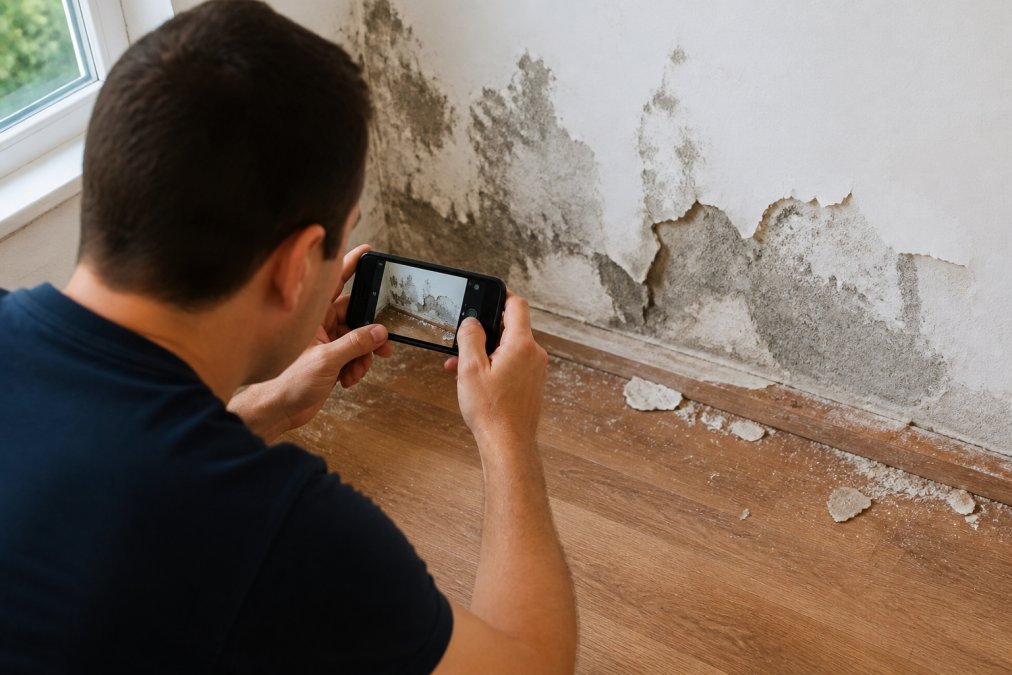
At Osime Insurance Agency, Inc, we recommend keeping a secure copy of this initial documentation. Avoid making major repairs or cleanup until your insurance company advises you, temporary measures to prevent further damage are acceptable, but document those actions too.
Insurance Claim Documentation Checklist
Thorough documentation separates straightforward claims from complicated ones. Start by locating your original insurance policy, declarations page, and any amendments. Know your coverage limits, deductible amounts, and what's covered under your specific policy.
Gather photographic evidence of all damage from multiple angles, including wide shots and close-ups. For theft claims, photograph empty spaces or inventory lists. Date-stamped photos are strongest, but any photos with verifiable timing carry weight.
Create a detailed inventory of damaged or lost items, noting description, purchase date, original price, current estimated value, and pre-incident condition. For high-value items, locate receipts, warranties, or proof of purchase. Include photos of items before damage occurred.
Collect receipts and invoices for emergency repairs or temporary measures. Gather repair estimates from qualified contractors, at least two for major repairs with detailed breakdowns of labor and materials. Keep copies of all correspondence with your insurance company, including emails, letters, and notes from phone calls with dates, times, and representative names.
| Documentation Type | Why It Matters | How to Obtain |
|---|---|---|
| Policy documents | Proves coverage and limits | Check email, mail, or insurer's website |
| Photos/video | Shows extent of damage | Take immediately after incident |
| Inventory list | Proves what was lost or damaged | Create detailed list with descriptions |
| Receipts and invoices | Establishes original value | Locate originals or request duplicates |
| Repair estimates | Documents repair costs | Obtain from licensed contractors |
| Medical records | Supports injury claims | Request from healthcare providers |
| Police/incident reports | Corroborates your account | File report or obtain copy from agency |
For business interruption or loss-of-use claims, document actual losses with receipts for hotel stays, meals, or temporary housing.
Contacting Your Insurance Provider
Contact your insurer promptly through phone, email, online portal, or mobile app. Call the claims department number on your policy or insurance card with your policy number and incident details ready. The representative will assign you a claim number, write this down for all future communication.
Follow up phone calls with written documentation via email, summarizing what was discussed, including date, time, representative's name, and agreements made. Many insurers offer online claim filing through their website or mobile app, allowing you to upload photos and documents directly while tracking status in real time.
Provide basic information initially; the insurer will ask specific questions as needed. Be honest about everything, misrepresenting facts, even minor details, can jeopardize your entire claim. If unsure about something, say so rather than guessing.
Ask your insurer about next steps: Will they send an adjuster? How long will that take? What documentation should you prepare? At Osime Insurance Agency, Inc, we emphasize that clear communication from the start reduces delays and misunderstandings throughout the process.
What Not to Say to Your Insurance Company
Your words matter in insurance claims. Don't admit fault or apologize for the incident, even if you feel responsible. Statements like "I should have been more careful" can be used against you. Stick to describing what happened without assigning blame.
Don't speculate about causes. If uncertain, say "I'm not sure what caused it" rather than offering theories that might prove wrong. Avoid exaggerating damage or losses, inflating claim amounts is insurance fraud and can result in claim denial or legal consequences.
Don't discuss your claim on social media. Posts or comments about your incident can contradict your claim, as insurers monitor social media. Don't accept the first settlement offer if inadequate, but negotiate respectfully. Never sign documents you don't understand, ask for explanations before signing.
Avoid discussing your claim with people outside your immediate family. Keep discussions professional and limited to necessary parties. Don't overstate coverage, be accurate about what your insurance covers to avoid false expectations and complications.
Understanding Your Policy Coverage and Deductibles
Your insurance policy is a contract. Read your declarations page first to understand coverage limits, the maximum amount your insurer will pay for each type of loss. If your home's replacement cost is $400,000, your dwelling coverage should reflect that.
Your deductible is the amount you pay out-of-pocket before insurance kicks in. A $1,000 deductible means you pay the first $1,000 of any covered loss, and your insurer pays the rest up to your coverage limit (iii.org). Higher deductibles mean lower premiums; lower deductibles mean higher premiums.
Some policies have different deductibles for different claim types. Homeowners policies might have a standard deductible for most claims but a higher percentage deductible for wind or hail damage. Policy exclusions are what your insurance won't cover, typically flood, earthquake, and wear-and-tear for homeowners policies.
Review your coverage limits annually and increase them if your assets grow. Ask your insurer to clarify anything you don't understand. At Osime Insurance Agency, Inc, our specialists ensure clients understand their coverage before they need to file a claim, preventing confusion when claims happen.
Insurance Claim Settlement Timeline
Timeline varies significantly based on claim complexity. Straightforward claims might settle in 2-4 weeks; complex claims can take months (naic.org). Most insurers acknowledge your claim within 1-3 business days, assigning a claim number and explaining next steps.
The insurer assigns an adjuster typically within 3-5 business days for urgent claims and up to 2 weeks for less urgent ones. The adjuster schedules an inspection, usually within 1-2 weeks, examining damage and assessing loss amount. After inspection, the adjuster prepares a report estimating repair or replacement costs.
The insurer reviews the report and prepares a settlement offer, typically 1-2 weeks after inspection. If you disagree with the settlement, you can request review, provide additional documentation, or hire your own appraiser, adding 2-4 weeks. Once both parties agree, the insurer issues payment within 5-10 business days.
| Claim Stage | Typical Timeline | What Happens |
|---|---|---|
| Initial contact | 1-3 days | Claim acknowledged, number assigned |
| Adjuster assignment | 3-5 to 14 days | Inspector scheduled and assigned |
| Inspection | 1-2 weeks | Damage assessed, photos taken |
| Report preparation | 1-2 weeks | Adjuster documents findings |
| Settlement offer | 1-2 weeks | Insurer calculates payment amount |
| Review/dispute | 2-4 weeks | If you contest the offer |
| Payment | 5-10 days | Check issued after agreement |
Total time typically ranges from 4-8 weeks for straightforward claims and 2-4 months for complex ones. Factors that speed settlement: complete documentation, clear liability, quick responses, and reasonable expectations. Factors that slow it: missing documentation, disputed liability, difficulty reaching you, and unrealistic estimates.
Communicating with Your Insurance Adjuster
When the adjuster contacts you to schedule an inspection, respond promptly and ensure someone is present. Before the inspection, walk through the damaged area and note specific concerns. Create a list of questions and organize your documentation, photos, receipts, and repair estimates.
During the inspection, be present and walk through with the adjuster. Point out all damage, including areas that might not be immediately obvious. Share repair estimates from contractors. Answer questions honestly and completely without exaggerating or minimizing damage.

After the inspection, follow up in writing via email, summarizing what was discussed and items you want documented. If the adjuster missed something, bring it to their attention promptly. If you disagree with the assessment, express this professionally with additional documentation, photos, or repair estimates supporting your position.
Avoid being adversarial, professional, factual communication gets better results than emotional arguments. Keep records of all communication with dates, times, names, emails, and letters. If struggling to communicate effectively, ask to speak with the adjuster's supervisor or your insurer's claims manager.
Filing an insurance claim effectively requires organization, clear communication, and understanding your policy.
At Osime Insurance Agency, Inc, our specialists guide clients through the claims process with personalized support, clear explanations of coverage, and advocacy for fair settlements. We believe insurance should be straightforward and that our clients deserve honest, transparent service when they need it most.
Get your free quote from Osime Insurance Agency, Inc today and discover how our commitment to integrity and exceptional customer service can protect what matters most to you.
Frequently Asked Questions
What should I do immediately after an incident to protect my insurance claim?
First, ensure everyone is safe and call emergency services if needed. Document the incident by taking photographs and videos of all damage before moving anything. Write down what happened while details are fresh, including the date, time, weather, and any witnesses. Contact your insurance provider as soon as possible to report the claim and ask about filing deadlines. Keep all receipts and records related to the incident. This contemporaneous documentation is crucial for your claim's success and helps your insurance adjuster assess damages accurately.
What documentation do I need for a successful insurance claim?
Your insurance claim documentation checklist should include the original incident report, photographs and videos of all damage, receipts for damaged items, repair estimates from contractors, proof of ownership (deeds, titles, receipts), a detailed inventory list of lost or damaged items with estimated values, medical records if injuries occurred, police reports for theft or accidents, and any correspondence with your insurance company. Keep copies of everything you submit. This comprehensive documentation helps your insurance adjuster verify your claim and process it more quickly.
How long does the typical insurance claims process take?
The insurance claim settlement timeline varies depending on claim complexity and your policy terms. Simple claims may be resolved in 1-2 weeks, while more complex cases can take 30-90 days or longer. Your insurance adjuster will investigate the claim, assess damages, and determine coverage based on your policy. Stay in regular contact with your adjuster and promptly provide any requested documentation to avoid delays in your settlement.
What should I avoid saying when filing an insurance claim?
Avoid admitting fault or apologizing for the incident, as this can be used against you in claim disputes. Don't exaggerate damages or claim for items not actually damaged. Never discuss the incident on social media or with anyone except your insurance adjuster and legal counsel if needed. Don't sign any documents without reading them carefully or having them reviewed. Avoid speculating about causes or making statements contradicting your initial report. Stick to factual information, be honest about what happened, and let your documentation and adjuster's investigation speak for itself.
This article was written using GrandRanker