 ultimate-guide
Natural Disaster Coverage: What Homeowners Insurance Covers in 2026
Table of Contents
- What Natural Disasters Homeowners Insurance Covers
- Home Insurance Policy Exclusions You Need to Know
- Flood Insurance Requirements 2026: What You Must Understand
- Earthquake Insurance and Other Endorsed Coverage
- Deductibles, Coverage Limits, and Natural Disaster Premiums
- How to File a Home Insurance Claim After a Disaster
- Understanding Difference in Conditions (DIC) Policies
- Reviewing and Updating Your Coverage Before Disaster Season
- Frequently Asked Questions
Last Updated: September 24, 2026
What Natural Disasters Homeowners Insurance Covers
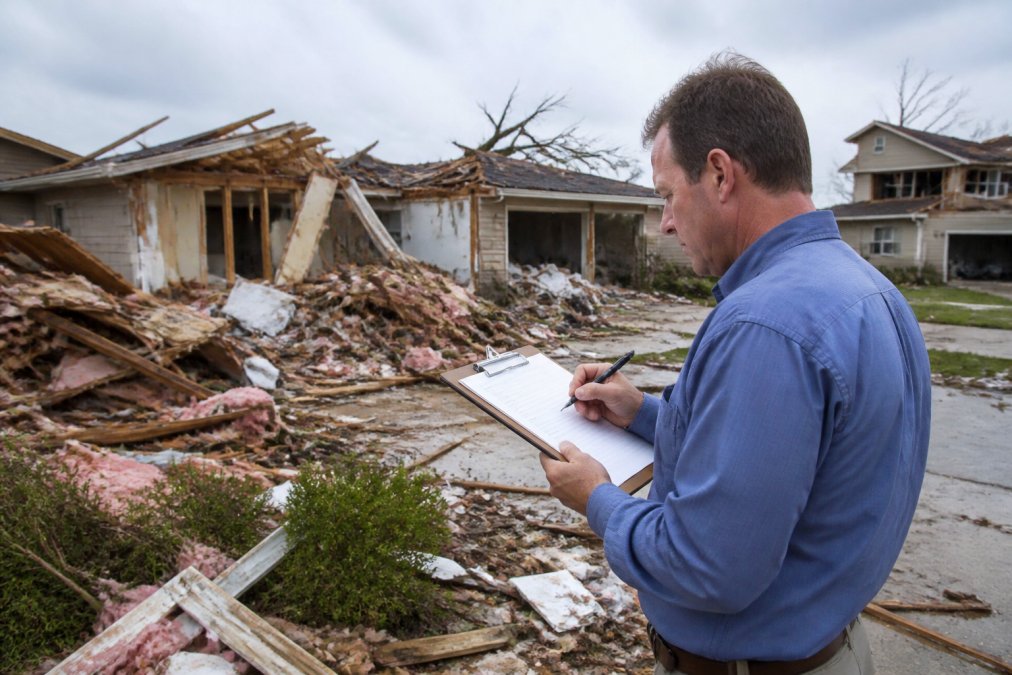
Natural disaster coverage homeowners insurance typically includes damage from wind, hail, lightning, and fire. Most standard homeowners policies protect your dwelling structure, attached structures like garages, and personal property inside the home from these perils.
Wind damage is one of the most common covered events. If a storm tears off your roof or breaks windows, your standard policy usually handles it. Hail damage to siding, windows, and roofing is also covered, as are lightning strikes and fire from any source.
However, coverage limits matter. Your dwelling coverage limit sets a ceiling on what the insurer will pay to repair or rebuild your home. Personal property coverage (typically 50-70% of your dwelling limit) protects belongings inside. Loss of use coverage reimburses temporary housing if you can't stay in your home after a disaster.
Not every natural disaster is covered equally. Flooding and earthquakes require separate policies or endorsements, and wind damage in coastal areas may require a separate windstorm endorsement. At Osime Insurance Agency, Inc, we help clients understand exactly which perils their policy addresses and where gaps exist.
Home Insurance Policy Exclusions You Need to Know
Standard homeowners policies explicitly exclude certain events, and these exclusions often surprise policyholders after a loss.
Flood is the biggest exclusion. Water damage from heavy rain, overflowing rivers, storm surge, or saturated ground is almost never covered under a standard homeowners policy. Federal flood insurance, purchased separately through the National Flood Insurance Program, covers flood-related damage, and many mortgage lenders require it in designated high-risk flood zones.
Earthquake damage is excluded from standard policies and requires a separate earthquake endorsement or policy, which carries its own deductible.
Wear and tear, maintenance failures, and gradual damage are not covered. Insurance covers sudden, accidental events, not slow degradation like roof leaks from deteriorated shingles or pipe bursts from age.
Damage from poor maintenance falls outside coverage. If a dead, visibly hazardous tree falls on your house, the insurer may deny the claim because you should have removed it.
Business activities and rental use may be excluded or limited. If you run a business from home, damage related to that business might not be covered. Some policies exclude or limit coverage if you rent out a portion of your home.
Flood Insurance Requirements 2026: What You Must Understand
Flood insurance is not optional in high-risk areas and is increasingly important in moderate-risk zones.
Mandatory Flood Coverage in High-Risk Areas
If your property is in a Special Flood Hazard Area (SFHA), designated by FEMA as having a 1% annual chance of flooding, your mortgage lender will require flood insurance.
Flood insurance through the National Flood Insurance Program (NFIP) is the standard option in most areas, with dwelling protection up to $250,000 and personal property coverage up to $100,000 for single-family homes.
Flood insurance deductibles typically start at $1,000, and the deductible applies to each flood event.
Private flood insurance has emerged as an alternative in some markets, offering higher coverage limits and different deductible structures.
Optional Flood Insurance for Lower-Risk Properties
Even if your lender doesn't require it, flood insurance makes sense in areas with moderate flood risk. Properties outside the SFHA can still flood, especially in areas with poor drainage, near creeks, or in low-lying neighborhoods.
Many homeowners in moderate-risk zones skip flood insurance to save money, but a single flood event can cost tens of thousands in repairs.
Purchase flood insurance before you need it, as there's typically a 30-day waiting period before coverage begins.
Earthquake Insurance and Other Endorsed Coverage
Earthquake damage stands apart from other natural disasters in how it's insured. Standard policies don't cover it, but endorsements and separate policies exist.
Earthquake endorsements add coverage to your homeowners policy for damage from ground shaking, landslides, and ground failure caused by seismic activity. The endorsement carries its own deductible, often 10-20% of your dwelling coverage limit.
Earthquake insurance is most critical in seismically active regions like California and the Pacific Northwest.
Windstorm and hail endorsements are sometimes required in coastal or hail-prone areas. In some states, windstorm damage is excluded from standard policies in designated windstorm zones with separate "wind pools" or insurer-of-last-resort programs.
Difference in Conditions (DIC) policies provide supplemental coverage for perils excluded from your standard homeowners policy, such as earthquake or flood. They fill gaps in your primary coverage and activate only when your main policy doesn't pay.
Deductibles, Coverage Limits, and Natural Disaster Premiums
Deductibles and coverage limits directly affect both your out-of-pocket costs and your premium. Understanding this relationship helps you make informed choices.
A deductible is the amount you pay toward a claim before insurance kicks in. Standard homeowners deductibles are typically $500, $1,000, or $2,500. Higher deductibles lower your premium. Some insurers offer percentage-based deductibles for windstorm or hail damage, for example, 2-5% of your dwelling coverage limit.
Coverage limits set the maximum the insurer will pay. Your dwelling coverage limit should reflect the replacement cost of your home, what it would cost to rebuild it from scratch. Underinsuring is common and dangerous. If your home would cost $400,000 to rebuild but you insure it for $300,000, you'll face a coverage shortfall after a major disaster.
Natural disaster claims often trigger premium increases. After filing a claim for wind or hail damage, expect your premium to rise at renewal. The increase varies by insurer and your claims history. Multiple claims in a short period can make you a higher-risk customer, leading to steeper increases or non-renewal.
Some areas prone to specific disasters, coastal regions with hurricane risk, for instance, see higher premiums across the board. Insurers price risk into their rates. If you're in a high-risk zone, your premium reflects that exposure.
How to File a Home Insurance Claim After a Disaster
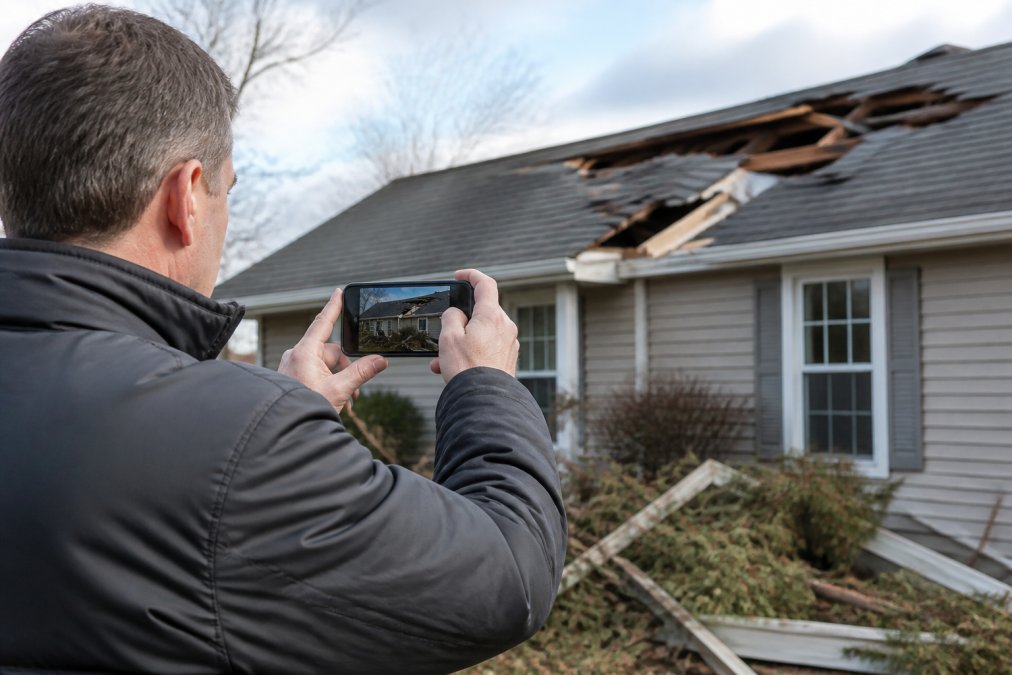
The claims process begins immediately after a disaster. Acting quickly and documenting thoroughly protects your interests.
Concurrent Causation and Claims Denial Prevention
Concurrent causation is a legal concept that affects claims. It occurs when multiple causes contribute to a loss, and one cause is covered while another is excluded.
Understanding Difference in Conditions (DIC) Policies
A Difference in Conditions (DIC) policy is a supplemental coverage option that fills gaps left by your primary homeowners policy. It's especially useful if you want protection for excluded perils without buying multiple separate policies.
Reviewing and Updating Your Coverage Before Disaster Season
Disaster season, whether hurricane, tornado, wildfire, or winter storm season, requires a coverage review. Many homeowners discover gaps only after a loss occurs.
Frequently Asked Questions
What natural disasters are not covered by homeowners insurance?
Standard homeowners insurance excludes flood, earthquake, and ground movement damage. War, nuclear hazard, and wear-and-tear are also excluded. Windstorm coverage varies by region; some policies exclude it or require a separate endorsement. Flood requires a separate policy from the National Flood Insurance Program (NFIP) or private carriers. Earthquake coverage must be added as an endorsement. Check your specific policy for exclusions related to your region's perils.
Does homeowners insurance cover flood damage, or do I need a separate policy?
Homeowners insurance does not cover flood damage. You need a separate flood insurance policy through the NFIP or a private flood insurer. If your home is in a high-risk flood zone and you have a mortgage, flood insurance is mandatory. Even in lower-risk areas, flood insurance is strongly recommended because just one inch of water can cause thousands in damage. Coverage limits and deductibles vary based on your property's risk level and location.
Are earthquakes covered under a standard homeowners insurance policy?
No, earthquakes are not covered by standard homeowners insurance. You must purchase an earthquake endorsement or a separate earthquake policy. Earthquake coverage protects your dwelling, personal property, and additional living expenses if your home becomes uninhabitable. The cost depends on your property's age, construction type, location, and proximity to fault lines. Deductibles for earthquake coverage are typically higher than standard deductibles, often 10-25% of your coverage limit.
What's the difference between replacement cost and actual cash value after a disaster?
Replacement cost covers the full expense to rebuild or repair your home and possessions using current market prices, regardless of age. Actual cash value (ACV) subtracts depreciation, paying less for older items. For example, a 10-year-old roof might cost $10,000 to replace but only receive $4,000 under ACV. Replacement cost coverage costs more but provides better protection for catastrophic losses. Most insurers recommend replacement cost for dwelling coverage to ensure adequate recovery after a total loss.
How do I know if I need a Difference in Conditions (DIC) policy?
A DIC policy fills gaps left by your standard homeowners insurance and other policies. It covers specific perils your primary policy excludes, such as flood, earthquake, or windstorm in states where these aren't automatically included. DIC policies are useful if you live in a high-risk area, own an older home, or want broader protection beyond standard coverage. Review your current policy exclusions with your agent to determine whether a DIC policy makes sense for your situation and risk profile.
What happens if two causes of damage occur together, like wind and water?
Concurrent causation occurs when multiple perils combine to cause damage. For example, a hurricane causes wind damage and flooding simultaneously. Standard homeowners policies may deny claims if one cause is excluded (like flood). Some policies include concurrent causation clauses that cover damage even if an excluded peril is partially responsible. Always ask your agent whether your policy covers concurrent causation and request this protection if available. This distinction can mean the difference between full coverage and a denied claim.
What should I do to prepare my homeowners insurance for the 2026 storm season?
Review your policy limits to ensure they match your home's current replacement cost, not the purchase price. Verify coverage for fire, windstorm, and hail in your region. Confirm whether flood and earthquake coverage are included or need to be added. Document your belongings with photos and receipts for personal property claims. Check your deductibles and consider whether higher coverage limits or lower deductibles align with your risk tolerance. Meet with your agent before peak season to address gaps and ensure you're protected against your area's specific perils.