 comparison
Is Hiring a Public Adjuster Worth It for Claims
Table of Contents
- What Is a Public Adjuster?
- Public Adjuster Fee Structure: How You'll Pay
- When to Hire a Public Adjuster for Home Insurance
- Public Adjuster vs Company Adjuster: Key Differences
- Pros and Cons of Hiring a Public Adjuster
- Is Hiring a Public Adjuster Worth It? The Financial Reality
- How to Verify Public Adjuster Licensing and Credentials
- Frequently Asked Questions
Last Updated: September 23, 2026
What Is a Public Adjuster?
A public adjuster is a licensed professional who represents policyholders during the insurance claim process. Unlike company adjusters employed by insurance carriers, public adjusters work on behalf of the person filing the claim, not the insurance company. They assess property damage, gather documentation, and negotiate with the insurance carrier to maximize the settlement offer. Public adjusters are particularly valuable when claims are complex, involve significant property damage, or when policyholders believe their initial settlement is inadequate or unfair.
The role of a public adjuster differs fundamentally from what many policyholders expect from their insurance company. While an insurance company adjuster works to protect the carrier's financial interests, a public adjuster's sole obligation is to the policyholder. This distinction matters because it shapes how thoroughly damage is documented, how aggressively the claim is negotiated, and what the final settlement looks like.
Public adjusters must be licensed in the states where they operate. Licensing requirements vary by state but typically include passing an examination, completing continuing education, and maintaining errors and omissions insurance. When considering whether is hiring a public adjuster worth it, verification of credentials becomes essential, a licensed adjuster carries accountability that an unlicensed representative does not.
Public Adjuster Fee Structure: How You'll Pay
Public adjusters operate on a contingency fee model, meaning they earn a percentage of the settlement increase they negotiate on your behalf. This is fundamentally different from how insurance company adjusters are compensated. You do not pay an upfront fee; instead, the public adjuster's commission comes directly from the additional settlement money they secure.
Contingency fees typically range from 5% to 20% of the settlement increase, depending on the complexity of the claim and the jurisdiction. For example, if your initial settlement offer is $50,000 and a public adjuster negotiates it up to $75,000, their fee would be calculated on that $25,000 increase. At a 10% commission, you would pay $2,500, leaving you with $72,500, still significantly more than the original offer.
Understanding the fee structure is critical when evaluating whether is hiring a public adjuster worth it for claims. A higher settlement doesn't automatically mean more money in your pocket if the fee consumes too much of the increase. This is why claim size matters, on small claims under $5,000, even a modest percentage can eat away most of the benefit. On larger claims, the same percentage yields substantial gains.
State regulations often cap the maximum commission public adjusters can charge. Some states limit fees to 10% or 15%, while others allow higher percentages for particularly complex losses. Always review your state's regulations and ask the public adjuster about any applicable caps before signing a contract.
When to Hire a Public Adjuster for Home Insurance
Knowing when to hire a public adjuster for home insurance requires assessing your specific situation. Not every claim justifies the expense, some straightforward claims resolve quickly through the standard process. The decision hinges on claim complexity, the settlement offer you received, and the potential financial benefit.
Consider hiring a public adjuster if your claim involves catastrophic loss, fire, major storm damage, or extensive water damage affecting multiple areas of your home. These claims generate substantial documentation requirements and often involve disputes over coverage, causation, or valuation. A public adjuster's expertise in navigating these complexities can uncover damages you might miss.
You should also consider professional representation if the insurance company's initial settlement offer seems significantly lower than the actual repair costs. Many policyholders accept initial offers without realizing they're underpaid. A public adjuster can obtain independent appraisals and provide detailed cost estimates to challenge low offers.
Claims involving denied coverage or policy disputes also benefit from professional advocacy. When an insurance carrier denies a claim or limits coverage in ways you believe are incorrect, a public adjuster can argue the claim's merits and negotiate a resolution. This type of bad faith situation, where the carrier's position appears unreasonable, often requires professional intervention.
Public Adjuster vs Company Adjuster: Key Differences
Understanding the distinction between a public adjuster and a company adjuster is essential to evaluating whether is hiring a public adjuster worth it. These professionals operate under different incentives, obligations, and constraints.
A company adjuster (also called an insurance company adjuster or claims adjuster) works directly for the insurance carrier. Their job is to investigate claims, verify coverage, and determine what the insurance company will pay. While many company adjusters are competent and fair, their primary obligation is to the insurance company's financial interests, not the policyholder's. They have no incentive to identify additional damages or challenge coverage limitations in your favor.
A public adjuster works exclusively for the policyholder. They have a fiduciary duty to represent your interests and maximize your settlement. This alignment of incentives is fundamental. A public adjuster's compensation depends entirely on increasing your settlement, the larger the increase, the larger their fee. This creates a direct financial motivation to be thorough and aggressive in your claim's favor.
| Aspect | Company Adjuster | Public Adjuster |
|---|---|---|
| Employer | Insurance company | Policyholder |
| Primary obligation | Insurance carrier's interests | Policyholder's interests |
| Fee structure | Salary (paid by insurer) | Contingency (% of increase) |
| Incentive alignment | Minimize payouts | Maximize payouts |
| Licensing requirement | Yes, state-regulated | Yes, state-regulated |
| Cost to policyholder | None (insurer pays) | Contingency fee from settlement |
The practical impact of these differences is substantial. A company adjuster might spend two days investigating your claim. A public adjuster might spend two weeks, knowing that each additional day of investigation could uncover overlooked damages worth thousands of dollars. Company adjusters are incentivized to close claims quickly; public adjusters are incentivized to maximize value before closing.
Pros and Cons of Hiring a Public Adjuster
Hiring a public adjuster offers genuine advantages, but also real drawbacks. A balanced assessment requires understanding both sides.
Advantages:
Professional representation shifts the negotiation dynamic. Insurance companies take public adjusters seriously, they know these professionals understand policy language, valuation methods, and claim procedures. This expertise often leads to higher settlement offers than policyholders negotiate independently.
Public adjusters handle the administrative burden. Claims require extensive documentation, communication with the insurance company, scheduling inspections, and managing timelines. A public adjuster manages all of this, freeing you to focus on recovery and rebuilding. This administrative relief alone has significant value when you're already stressed.
Detailed damage assessment is another key advantage. Public adjusters conduct thorough investigations, often identifying damages that company adjusters overlook. They may discover hidden structural damage, secondary water intrusion, or code-compliance upgrades required by current building standards. These items often represent substantial settlement increases.
Disadvantages:
The contingency fee reduces your final payout. Even on a successful claim, you're sharing the settlement increase with the public adjuster. On modest increases, this fee can consume a significant percentage of the gain. On a $10,000 increase with a 15% fee, you receive $8,500 instead of the full amount.
Not all claims benefit from professional representation. Straightforward claims with clear coverage and reasonable settlement offers may not generate enough additional value to justify the fee. If your claim is simple and the insurance company's offer aligns with repair estimates, a public adjuster adds cost without proportional benefit.
The process takes longer with a public adjuster involved. Professional representation means additional negotiations, appraisals, and documentation. If you need funds quickly for emergency repairs, the extended timeline can be problematic. Insurance companies sometimes resolve claims faster when dealing directly with policyholders.
Is Hiring a Public Adjuster Worth It? The Financial Reality
Whether is hiring a public adjuster worth it depends on a straightforward financial calculation: Does the settlement increase exceed the fee by enough to justify the additional money and time involved?
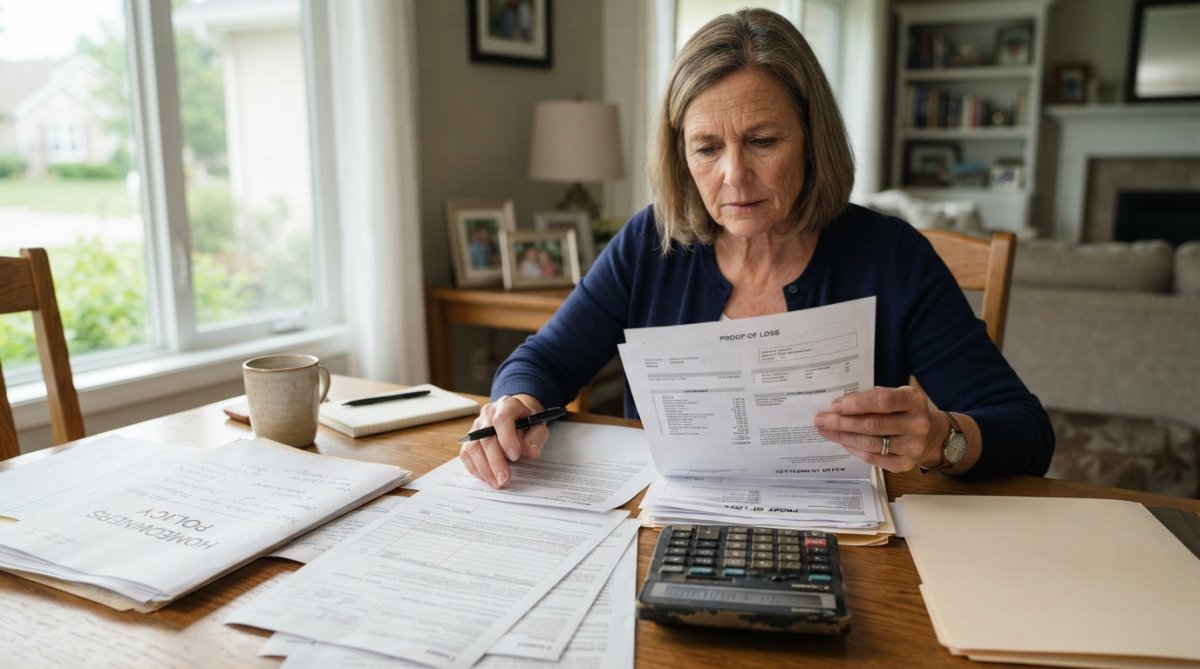
[IMAGE: Homeowner reviewing insurance claim documents and settlement paperwork at a desk with a calculator, pen, and policy documents visible under natural lighting | section:Is Hiring a Public Adjuster Worth It?
How to Verify Public Adjuster Licensing and Credentials
Before hiring any public adjuster, verify their licensing and credentials through official state channels. This step protects you from unqualified or unethical practitioners.
Frequently Asked Questions
What is the average fee for a public adjuster?
Public adjusters typically charge a contingency fee ranging from 5% to 20% of the settlement increase they secure for you. The exact percentage depends on your state's regulations, the complexity of your claim, and the firm's standard rates. Some states cap public adjuster commissions by law. Always verify the fee structure in your contract before signing, and confirm it complies with your state's licensing requirements.
When should you hire a public adjuster for your home insurance claim?
Consider hiring a public adjuster if your claim involves significant property damage, has been denied or underpaid by your insurance carrier, or feels too complex to navigate alone. Public adjusters are most cost-effective for claims exceeding $10,000 to $15,000, where their negotiation skills can recover enough to offset their commission. For small, straightforward claims, the fee may exceed the benefit. Also hire one if you lack time or expertise to document your loss properly.
What's the difference between a public adjuster and a company adjuster?
A company adjuster works for the insurance carrier and aims to settle claims fairly but within the insurer's interests. A public adjuster represents you, the policyholder, and works to maximize your settlement. Public adjusters have a fiduciary duty to act in your best interest, while company adjusters balance policyholder needs with their employer's financial goals. This fundamental difference in loyalty makes public adjusters useful when you suspect underpayment or need stronger advocacy during claim negotiations.
Can you trust public adjusters to act in your best interest?
Licensed public adjusters are bound by fiduciary duty and state regulations that require them to represent your interests, not the insurance company's. However, trust depends on credentials and reputation. Verify their license through your state's insurance regulator, check reviews, and review the contract carefully before signing. Avoid adjusters who pressure you into immediate decisions or guarantee specific settlement amounts. A reputable public adjuster explains their process transparently and respects your right to ask questions.